
Commercial landlords have a legal duty to ensure that electrical systems within their properties are safe, compliant and properly maintained. Unlike residential letting, commercial property responsibilities can feel less clearly defined, but the legal obligations are very real. Failing to meet them can lead to fines, invalid insurance and serious safety risks for tenants and visitors.
Understanding where your responsibilities begin and end is essential for protecting both your investment and your tenants.
Your Legal Duty as a Commercial Landlord
Under the Electricity at Work Regulations 1989, landlords have a responsibility to ensure that electrical installations are maintained in a safe condition. This applies to all fixed electrical systems within the property, including wiring, distribution boards, sockets, lighting and any landlord supplied equipment.
Even if a tenant is responsible for day to day operations, the landlord still retains a duty of care for the underlying electrical infrastructure. If an electrical fault causes injury or damage and the system has not been properly maintained, liability can fall back on the property owner.
Fixed Wire Testing and EICR Reports
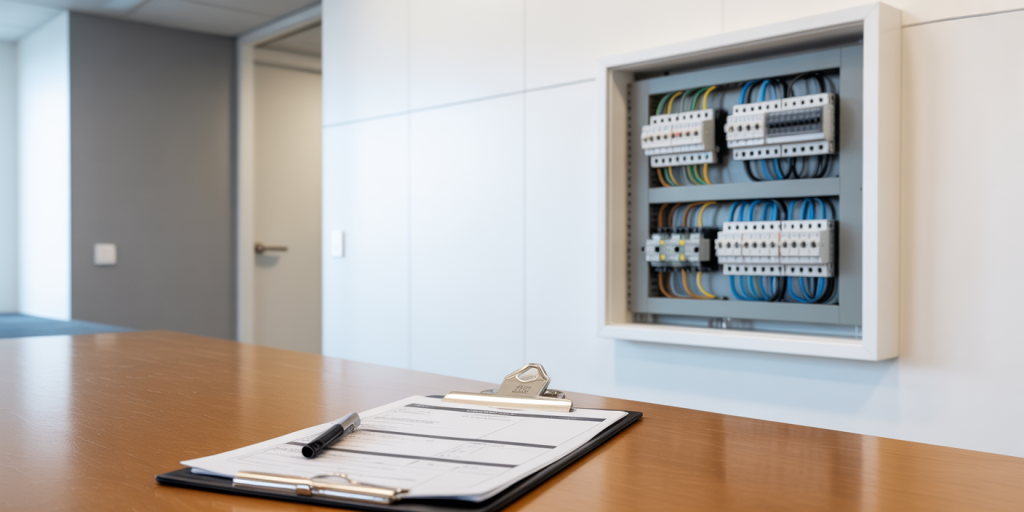
One of the main ways landlords demonstrate compliance is through fixed wire testing, also known as an Electrical Installation Condition Report or EICR. This inspection assesses the condition of the permanent electrical installation and identifies any safety issues or non-compliance.
For most commercial properties, fixed wire testing should be carried out every five years, although higher-risk premises may require more frequent inspections. The EICR provides documented proof that the installation is safe, which is often requested by insurers and managing agents.
Responsibility for Repairs and Remedial Work
If an EICR highlights faults or safety concerns, the landlord is typically responsible for ensuring remedial work is completed, especially where issues relate to the core electrical system. Delaying repairs can expose landlords to enforcement action and may breach lease agreements.
Clear communication with tenants is important. While tenants may be responsible for their own equipment or fit-out alterations, landlords must ensure the base electrical infrastructure remains safe and compliant.
Insurance and Risk Management
Electrical safety plays a major role in commercial property insurance. Many insurers require up-to-date inspection reports and evidence of maintenance. If an incident occurs and documentation cannot be provided, claims may be reduced or refused entirely.
Regular inspections and planned maintenance reduce risk, protect rental income and help avoid unexpected costs caused by emergency repairs.
Working with Qualified Electrical Professionals
To meet your obligations, it is important to work with experienced professionals who understand commercial environments. At AFM Services Ltd, we support commercial landlords with inspections, testing, certification and ongoing electrical maintenance, helping ensure properties remain safe, compliant and tenant ready.
Protect Your Property and Your Tenants
Electrical responsibilities should never be treated as a grey area. By staying on top of inspections, acting on reports and using qualified electricians, commercial landlords can protect their assets, meet legal duties and provide safe premises for tenants.